

Fascial Massage
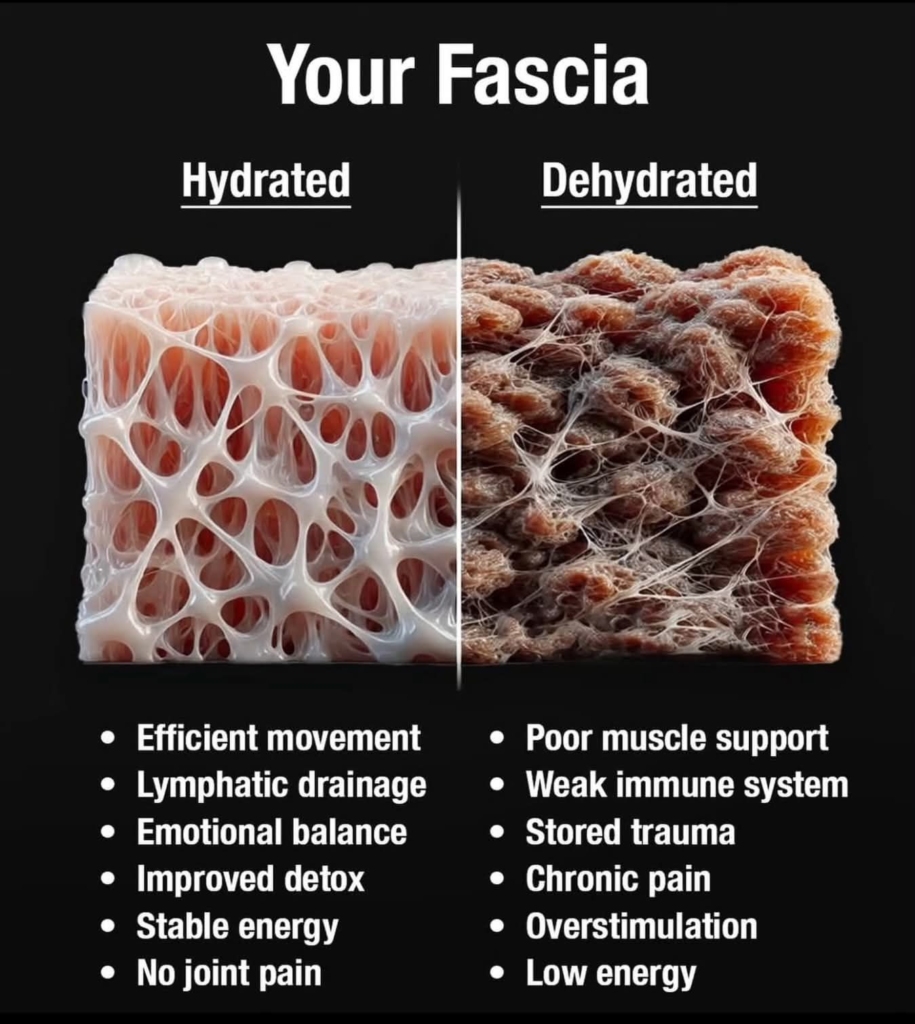
What is fascia?
- Structure and Composition: Comprised of collagen for strength, elastin for flexibility, and ground substance (hyaluronan) for hydration and pliability. It consists of superficial (under the skin) and deep (surrounding muscles/organs) layers.
- Functions: Enables smooth muscle sliding (reducing friction), maintains structural integrity, transmits mechanical tension, and serves as a sensory organ for proprioception.
- Health and Dysfunction: Healthy fascia is malleable, but stress, trauma, or inactivity can cause it to thicken, tighten, and lose hydration, leading to pain, decreased mobility, and reduced blood flow – thus resulting in a lack of local essential nutrients.
- Maintenance: Movement, hydration, and heat (e.g., in massage or yoga) help maintain fascia elasticity.
Enhance your experience
For those who want to achive the maximum result out of their treatment, these things can be taken into consideration, even before starting a treatment:
- fascia likes movement, it helps nutrients get to where they are needed – take daily long walks, stretch in different positions, keep active and obviously make a habit of moving every 30 minutes, even if just a little;
- water is another element that will greatly influence fascia – add electrolytes or trace minerals to it, to help the body absorb it;
- consider taking supplements like collagen peptides/ gelatin 15gr/day or add daily to your diet homemade bone broth – silica, vitamin C and hyaluronic acid they are found in the composition of fascia itself and will also help you. Magnesium and trace minerals will restore body deposits and MSM contributes to reducing stiffness and building new connective tissue;
- take time to relax, to manage difficult emotions – this tissue is highly sensitive to stress, it is the first one to contract in situations;
- rest more at night and daytime – give your body a chance to restore, to complete fixing what therapy unlocked.
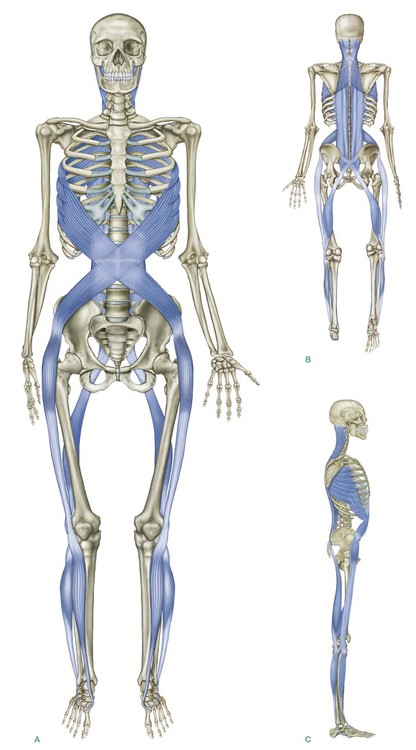
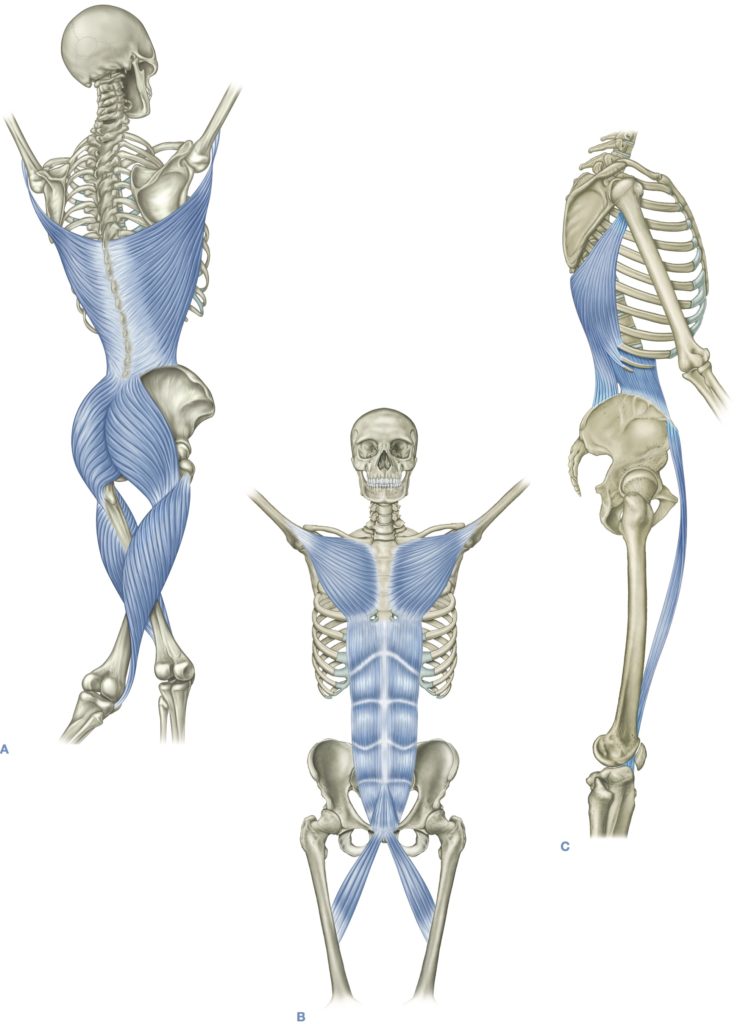
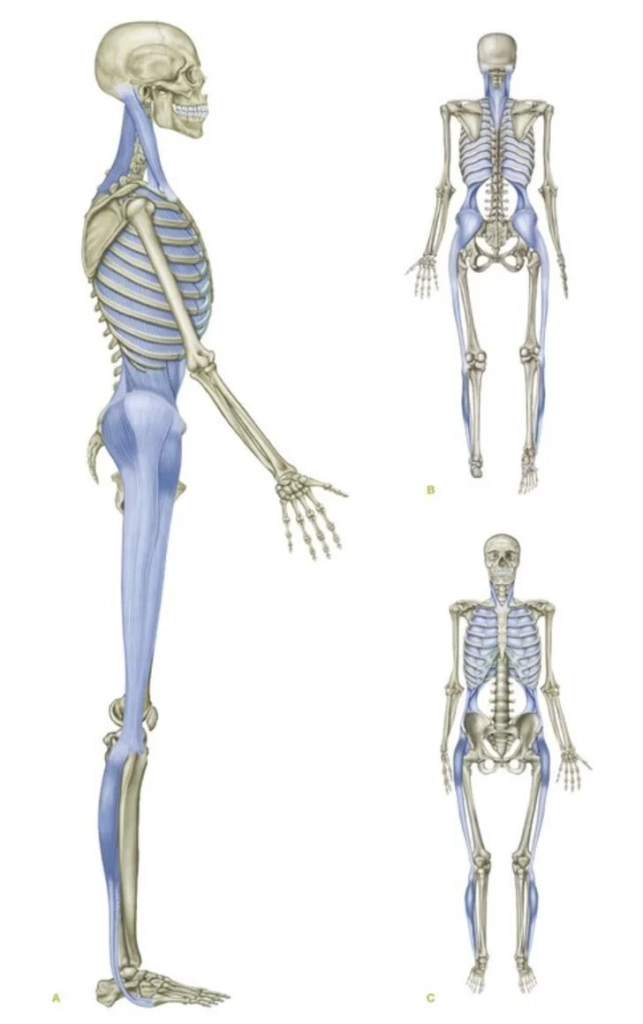
What benefits can this massage have?
Fascial massage (myofascial release) targets the connective tissue surrounding muscles to alleviate chronic pain, reduce tension, and improve flexibility. It enhances mobility, corrects posture by releasing restrictions, and boosts circulation. This therapy also accelerates muscle recovery, reduces stress, and provides deep, lasting relaxation.
- Pain Relief & Tension Reduction: Effectively targets chronic pain in the back, neck, and shoulders, and helps break down stubborn muscle knots.
- Improved Mobility and Flexibility: By releasing restrictions in the fascia, it increases the range of motion in joints and muscles.
- Enhanced Posture and Alignment: Addresses postural imbalances caused by tight fascia, helping to realign the body.
- Faster Recovery & Athletic Performance: Boosts blood flow, reduces soreness, and aids in flushing out metabolic waste, allowing for faster muscle regeneration.
- Stress Management & Relaxation: Promotes a deep sense of calm and can help release emotional, physical, or traumatic tension stored in the body.
- Specialized Relief: Provides targeted support for specific conditions like plantar fasciitis, frozen shoulder, or migraines.

How is it and Who is it for?
This therapy is one of the least delicate that I practice, at the moment. At the same time, it is a needed approach in certain cases. Not everything can be resolved with a light touch. Deep tissue needs a deeper approach. Stubborn blockages need to be challenged. Situated at the limit between pain and pleasure it unlocks tissue in a very unique way and it trains the mind to be present, to allow for deeper transformation. Although you might not feel completely relaxed and comfortable during treatment, the after is another story and totally worth it.
Anyone and everyone can benefit from this type of massage.
Fascial massage is particularly effective for those dealing with posture issues, injuries, chronic pain or chronic diseases – especially ostheoporosis, or high levels of daily stress.
People of any age can benefit from it.
Safety and precautions:
Contraindications for fascial massage (myofascial release) are situations where the technique is unsafe or should be avoided to prevent further injury or health complications. Key contraindications include acute injuries (within 48-72 hours), deep vein thrombosis (DVT), fever, active infections, and, in many cases, pregnancy or cancer.
- Blood Clots and Vascular Issues: Deep vein thrombosis (DVT), active phlebitis, or severe atherosclerosis.
- Infections and Illness: Fever, contagious diseases (flu, cold), or systemic infections.
- Acute Trauma or Injury: Fresh injuries (first 48-72 hours), acute inflammation (redness, swelling, heat), fractures, or open wounds.
- Medical Conditions: Active cancer/tumors, aneurysms, or severe osteoporosis.
- Skin Conditions: Open wounds, burns, rashes, or infections like cellulitis.
- Severe Neurological Issues: Conditions like cauda equina syndrome or myelopathy.
- Areas with hematomas, severe bruising, or varicose veins.
- Unhealed surgical sites, scars, or bone fractures.
- Areas of active, localized inflammation or infection.
- Pregnancy: Particularly high-risk pregnancies or during the first trimester (often avoided altogether or requires specialized care).
- Blood Thinners/Medications: Use of anticoagulants, which increases the risk of bruising or internal bleeding.
- Chronic/Autoimmune Conditions: Fibromyalgia, rheumatoid arthritis (during flares), or lupus.
- Advanced Diabetes: Reduced tissue integrity and sensitivity.
- Hypertension: Uncontrolled high blood pressure.